Literature Survey
Tea plantation management in Sri Lanka remains predominantly manual and operationally fragmented. A growing body of research explores digital solutions for agricultural management, ranging from IoT-based precision irrigation systems to mobile crop-monitoring tools. Yet the majority are designed for large-scale, well-connected farming environments with reliable digital infrastructure.
An analysis of over 30 peer-reviewed publications across precision agriculture, offline mobile architectures, IoT sensor networks, machine learning-based scheduling, and AI chatbot systems reveals a consistent pattern: existing solutions do not adequately address the unique operational realities of small and medium-scale Sri Lankan tea estates. These estates operate in highland terrain with intermittent connectivity, irregular field topology, and limited technical literacy among field workers, conditions that existing systems fail to account for in their design.
This literature survey established the evidence base for AssisTea's core design philosophy: an offline-first, AI-augmented system that delivers intelligent decision support, environmental automation, and agronomic guidance without dependence on persistent cloud connectivity.
Research Gap
Despite significant advances in agricultural technology, a critical and underserved gap exists for small and medium-scale tea plantations operating in low-connectivity rural environments. Current solutions fail across four interconnected dimensions:
Offline-Capable AI Labor Scheduling
No existing solution provides on-device machine learning inference for labor-to-field assignment that learns from historical plantation data and accounts for field-specific characteristics such as slope and cultivated area without requiring cloud connectivity to operate.
Terrain-Aware Irrigation Control
Current irrigation management systems do not account for the slope differentials inherent in tiered tea plantations, resulting in either over-irrigation of lower-elevation fields or chronic under-irrigation of elevated plots leading to preventable resource wastage and yield loss.
Integrated Real-Time AI Agronomist
Field managers working in remote estates lack access to agronomic expertise when decisions are most critical. No existing mobile platform integrates a conversational AI assistant capable of providing context-aware crop guidance, pest identification, and cultivation advice in the field environment.
Edge-Based Weather Prediction
Current agribusiness platforms rely exclusively on continuous internet access to fetch third-party weather data, creating a critical vulnerability for remote estates. No integrated system currently utilizes edge-deployed ML models, such as 1D CNNs to generate accurate, localized weather forecasts directly on-site, a capability essential for proactive resource and labor allocation in disconnected environments.
Research Problem
🌍 Context
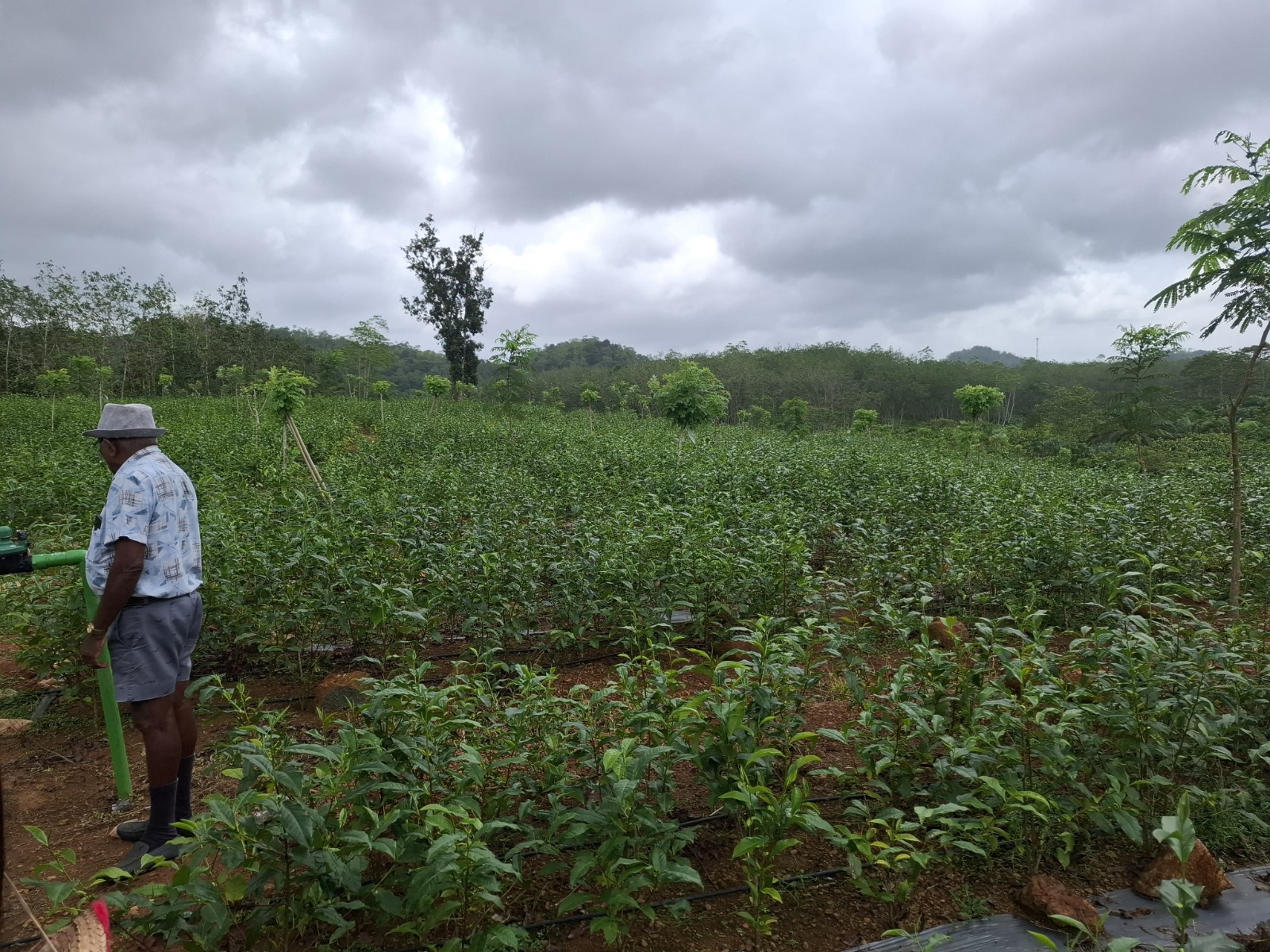
Small and medium-scale tea estates in Sri Lanka operate in low-connectivity rural environments with challenging highland terrain. These plantations manage complex daily operations including labor assignment across multiple fields, irrigation scheduling, and agronomic decision-making with minimal digital infrastructure and no access to real-time expert support.
⚠️ Measured Pain Points
- Inefficient labor-to-field pairing driven by subjective, experience-based judgment rather than data-driven optimization
- Unpredictable, manually-managed irrigation with no adaptation for weather conditions or terrain slope differentials
- Complete absence of accessible, real-time agronomic expert guidance while managers are deployed in the field
📉 Impact
These combined inefficiencies result in elevated operational costs, significant resource wastage across water, fertilizer, and labour hours, and consistently reduced harvest yields, all stemming from subjective, manually-driven decision-making that cannot scale alongside the complexity of modern plantation management demands.
Research Objectives
To design and develop an offline-capable, AI-driven system that enhances agricultural decision-making, operational efficiency, and autonomy in small and medium-scale tea plantations in Sri Lanka, through intelligent field support, resilient automation, and data-driven labour efficiency management within a one-year research timeline.
AI-Driven Labor Scheduling
Design and implement an offline-capable machine learning system using a Feedforward Neural Network (MLP) with TensorFlow Lite on-device inference, enabling optimal daily labor assignment across plantation fields based on historical records, field area, slope, and worker performance data.
Smart Irrigation & Fertigation Automation
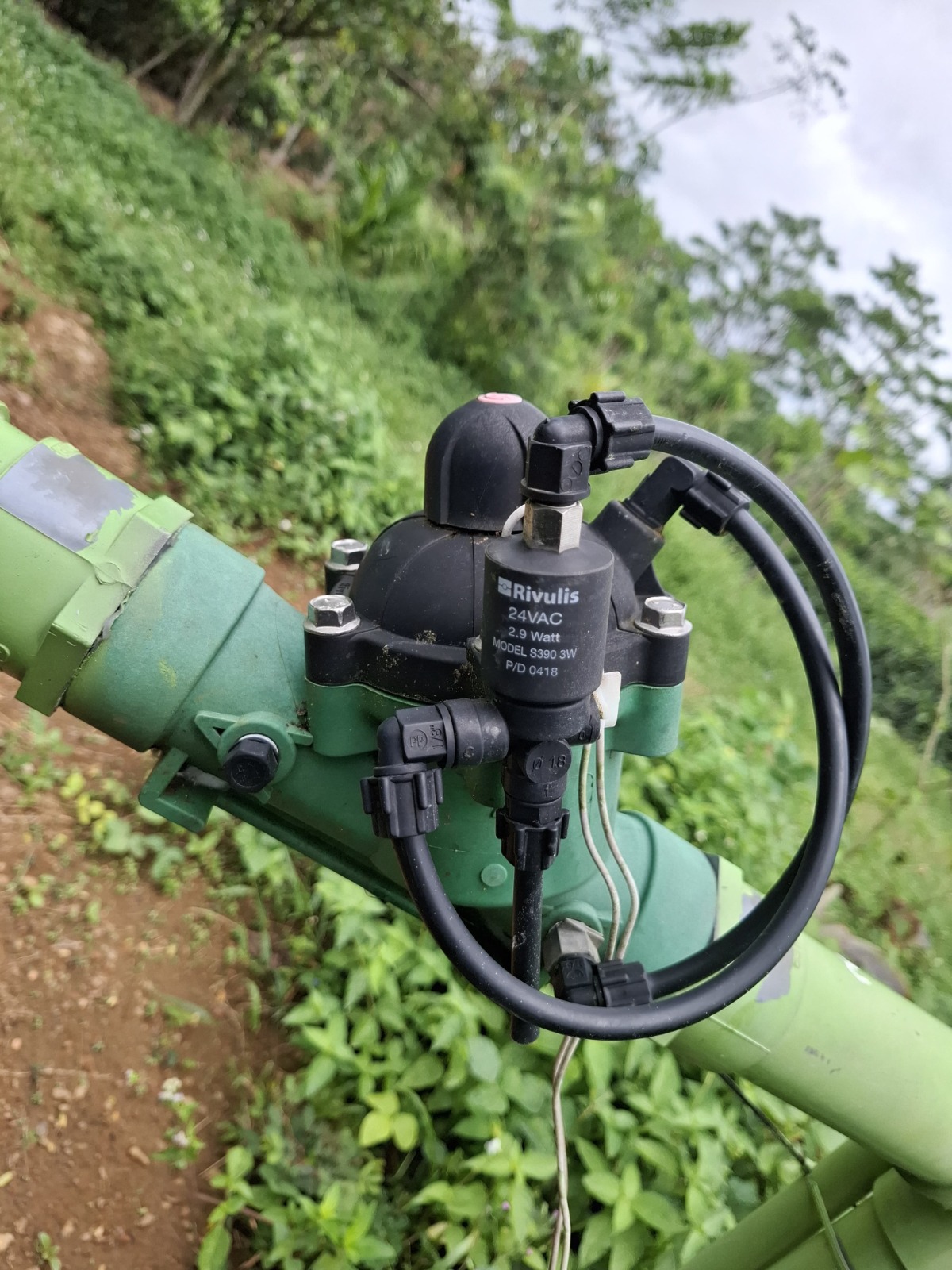
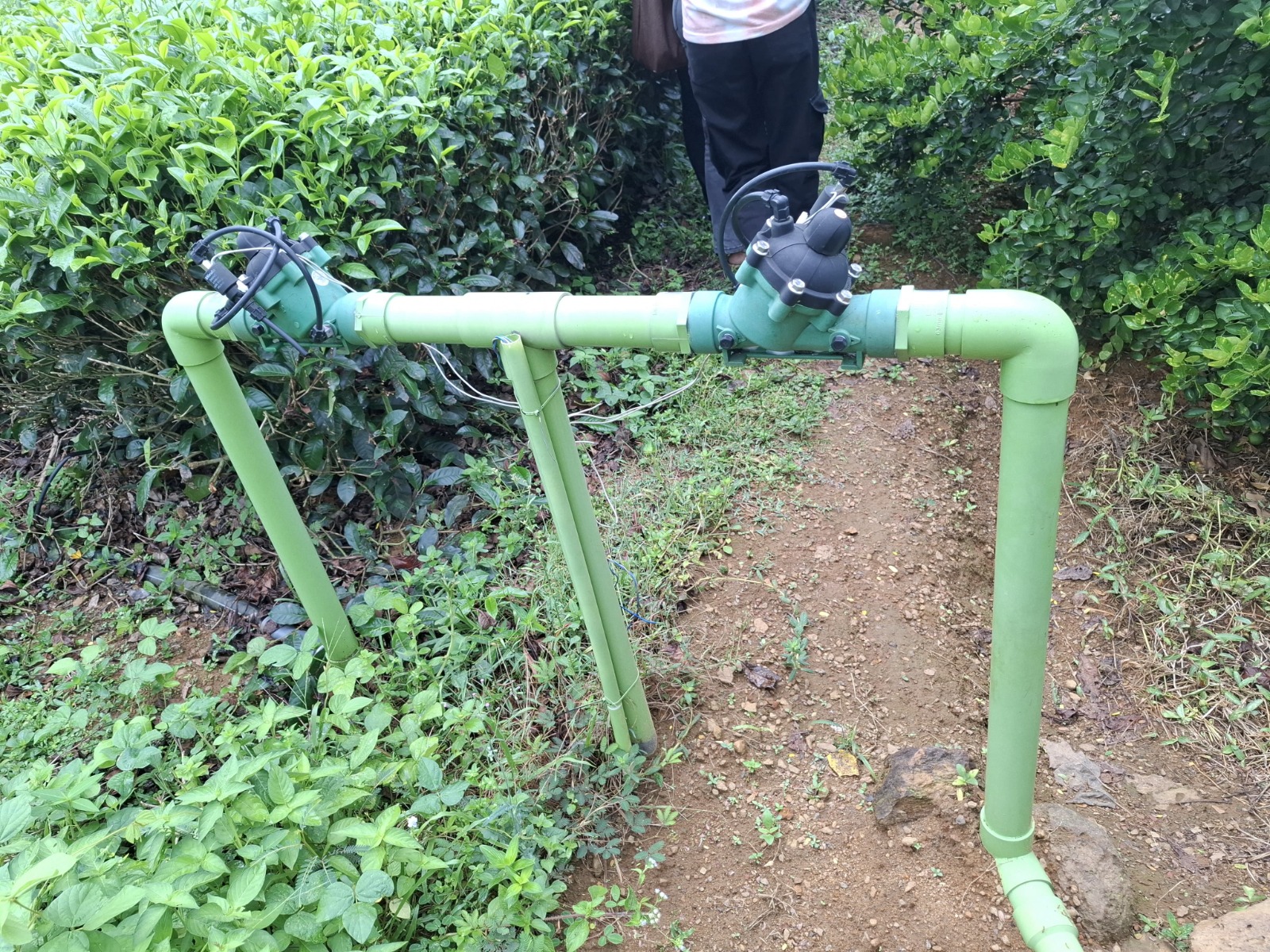
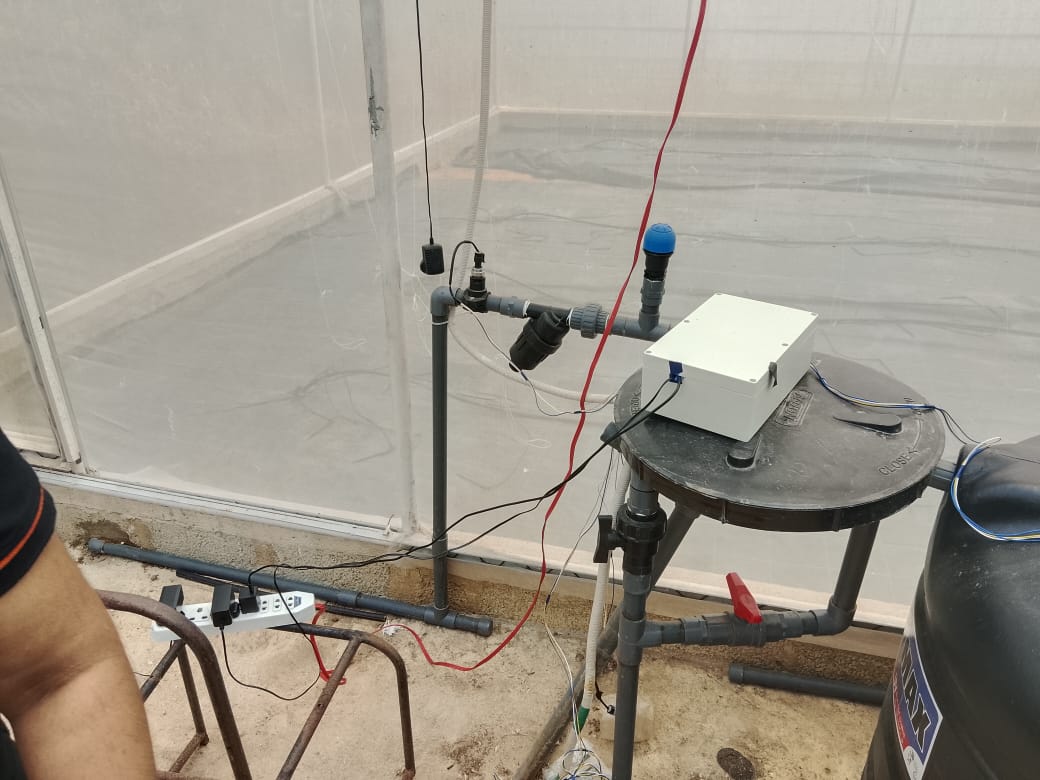
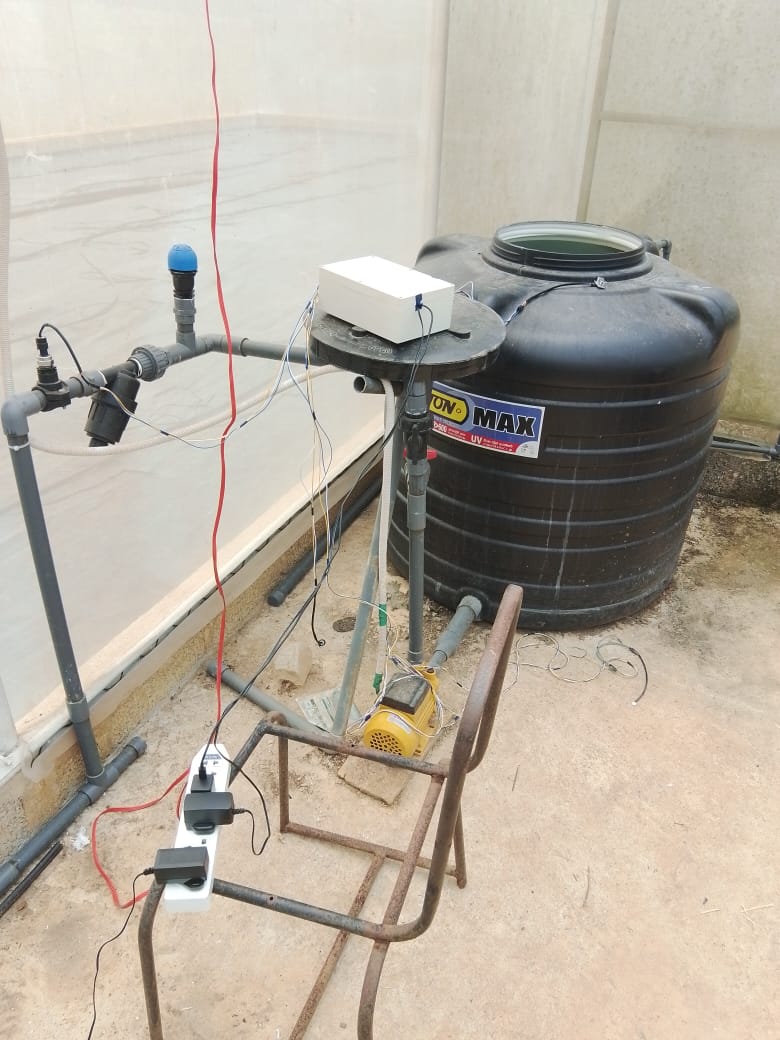
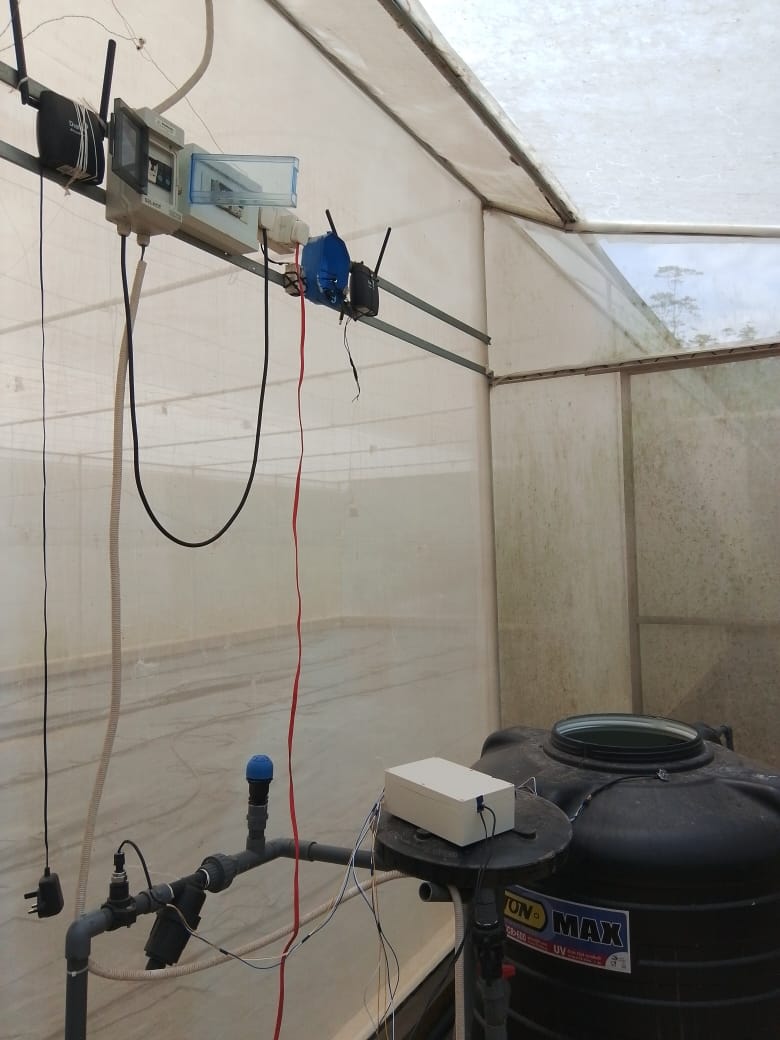
Develop an IoT-integrated irrigation and fertigation control system that automates water and fertilizer delivery schedules with awareness of terrain slope, live sensor readings, and weather forecast data reducing manual intervention and resource overuse.
AI Agronomist Integration
Integrate a conversational AI assistant powered by a state-of-the-art language model, providing real-time, context-aware agronomic guidance on pest management, fertilization, harvest timing, and field best practices directly within the mobile application.
Offline-First Architecture
Build a resilient offline-first data layer using SQLite local storage and an intelligent background sync queue, ensuring full operational continuity in zero-connectivity environments and seamless cloud reconciliation when connectivity is restored.
Role-Based Mobile Platform
Create a cross-platform mobile application with clearly defined role-based access control, delivering tailored dashboards and tool sets for plantation administrators and field managers within a single unified, production-ready application.
Methodology
AssisTea was developed following an Agile methodology with iterative development sprints, enabling continuous validation of research hypotheses and rapid adaptation based on structured feedback from each formal milestone assessment.
Research & Requirements
Conducted a comprehensive literature survey, formulated the research problem, defined measurable objectives, and finalized the system architecture design. Technology selection was completed and the project proposal was drafted and submitted.
System Foundation
Firebase project setup, SQLite schema design, React Native application scaffolding with Redux state management, role-based navigation architecture implementation, and offline sync service development.
Core Module Development
Parallel development of all five core modules: ML labor scheduling (MLP neural network training and TFLite embedding), predictive weather forecasting (Edge-deployed ML model), smart irrigation/fertigation control (IoT sensor integration and valve automation), AI agronomist chatbot (Generative AI API integration), and a comprehensive daily data management system.
Integration & Validation
Full cross-module system integration, performance validation of the ML model against baseline heuristics, user acceptance testing with plantation workflows, end-to-end offline/online sync verification, and final production-ready polishing.
Technologies Used
AssisTea is built on a carefully selected, enterprise-grade technology stack designed to deliver performance, offline resilience, and embedded AI capabilities within a single cross-platform mobile application.
Cross-platform native mobile performance from a unified codebase targeting both iOS and Android
Type-safe development with compile-time error prevention and full IntelliSense support
Cloud authentication, Firestore real-time database, and backend services for cloud-side sync
On-device relational database providing the offline-first local data persistence layer
On-device ML inference engine for running the labor scheduling, weather forecasting and neural network locally
Predictable global state management ensuring consistent data flow across all app modules
Native stack and tab-based navigation with smooth, platform-consistent screen transitions
Conversational AI agronomist powered by a state-of-the-art large language model API